


Skyline™ Horizontal Lifeline, Tie-Back, Bracket
Horizontal Lifelines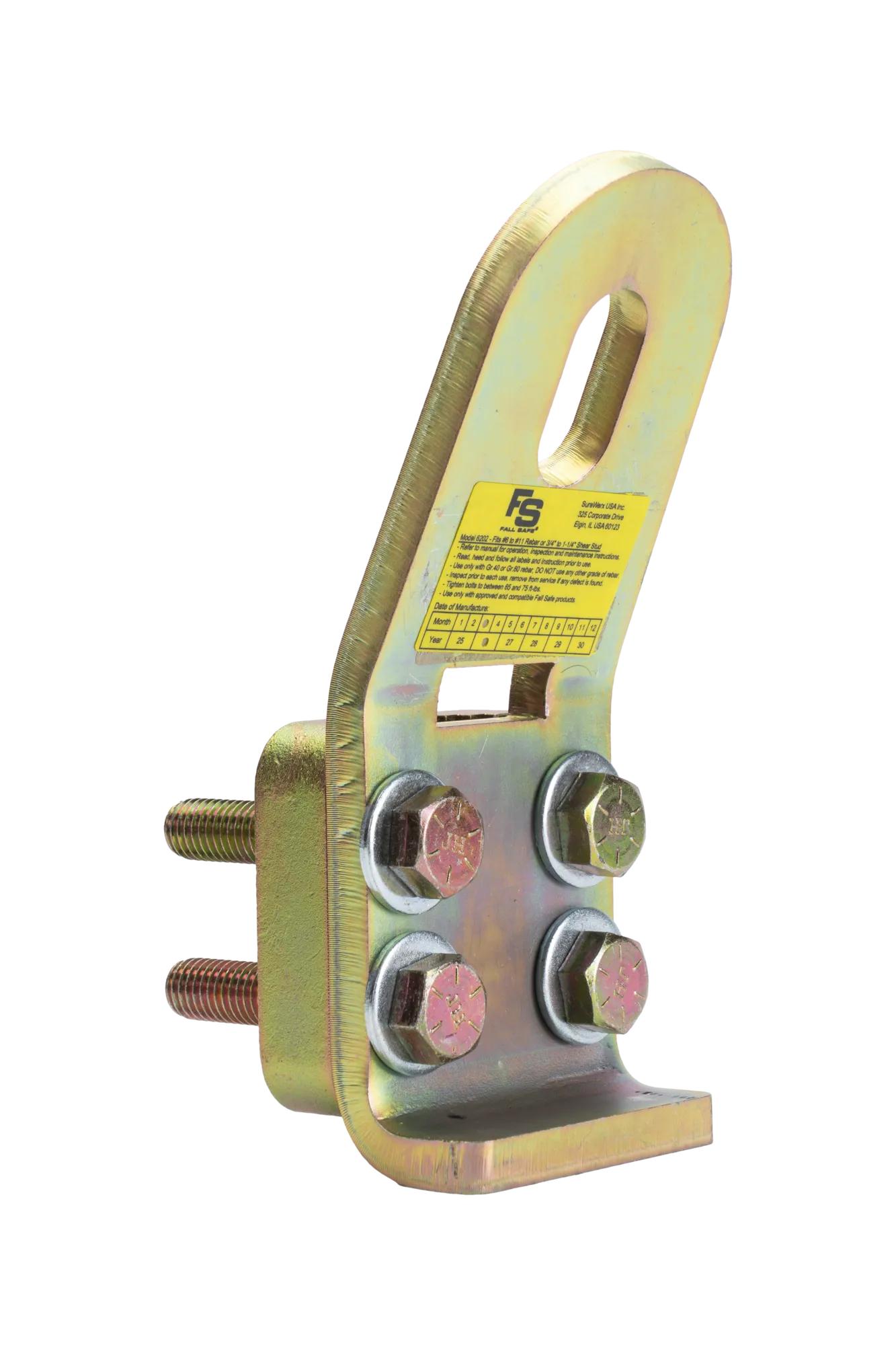
In civil, commercial, and industrial job sites, fall protection can’t be an afterthought – especially when there’s no safe overhead anchorage in sight. Whether you’re building bridges, working refineries, or maintaining steel and concrete infrastructure, the Skyline™ Horizontal Lifeline System delivers industry-leading safety where traditional fall protection falls short.
- Skyline combines elevated stanchion height with a tuned cable system and an energy-absorbing inline design to reduce required fall clearance to as low as 10ft, 9 feet less than many competitors.
- Skyline offers an unmatched selection of clamp and bracket options – making it the most adaptable HLL system on the market
- Fall Safe™ doesn’t just supply components. We review drawings, recommend optimal clearance setups, and support you wit layout design – so you get it right the first time
Available Variations & Documents
- System Component
- Yes
Frequently Asked Questions
Up to 4 workers, depending on the system's span and the connecting devices used. Some configurations are limited to 2. Check the Skyline technical bulletins or contact Fall Safe technical services to confirm the capacity for your layout.
Yes. Skyline horizontal lifelines should be installed by trained personnel, and Fall Safe offers Skyline training classes. OSHA also requires horizontal lifelines to be designed, installed and used under the supervision of a qualified person, as part of a complete system with a safety factor of at least two (29 CFR 1926.502(d)(8)).
At least once a year, by a competent person trained in Skyline inspection. Users should also inspect the system before each use. Any system that has arrested a fall must be removed from service until a competent person inspects it.
At least once a year, by a competent person trained in ARFAS rigid rail inspection. Users should also inspect the system before each use. Any system that has arrested a fall must be removed from service until a competent person inspects it.
A rigid rail doesn't deflect in a fall, so the fall clearance you need depends mainly on the connecting device, such as an SRL. A cable horizontal lifeline sags under load, which usually adds to the clearance required. That makes rigid rails a good fit where clearance below the work area is limited.
The ARFAS is built from a small set of simple components, which allows a wide range of mounting options. Multiple rails can be connected to cover larger work areas, and its lightweight design is intended to make installation faster and less costly.
When the ARFAS is installed overhead and paired with a Fall Safe FLO or Skyloc II SRL, arrest distances can be less than 24 in. The system is designed for permanent installation indoors or outdoors in a wide range of environments.
Unsure what gear is right for your needs?
Our experienced team of Fall Safety experts can help.